Sig Hansen’s Bold Underwater Drone Breakthrough: Luck or Genius? The Inside Story of American Pickers’ No, Wait—Deadliest Catch Season 22 Episode 1: “Kings of the Frozen North”
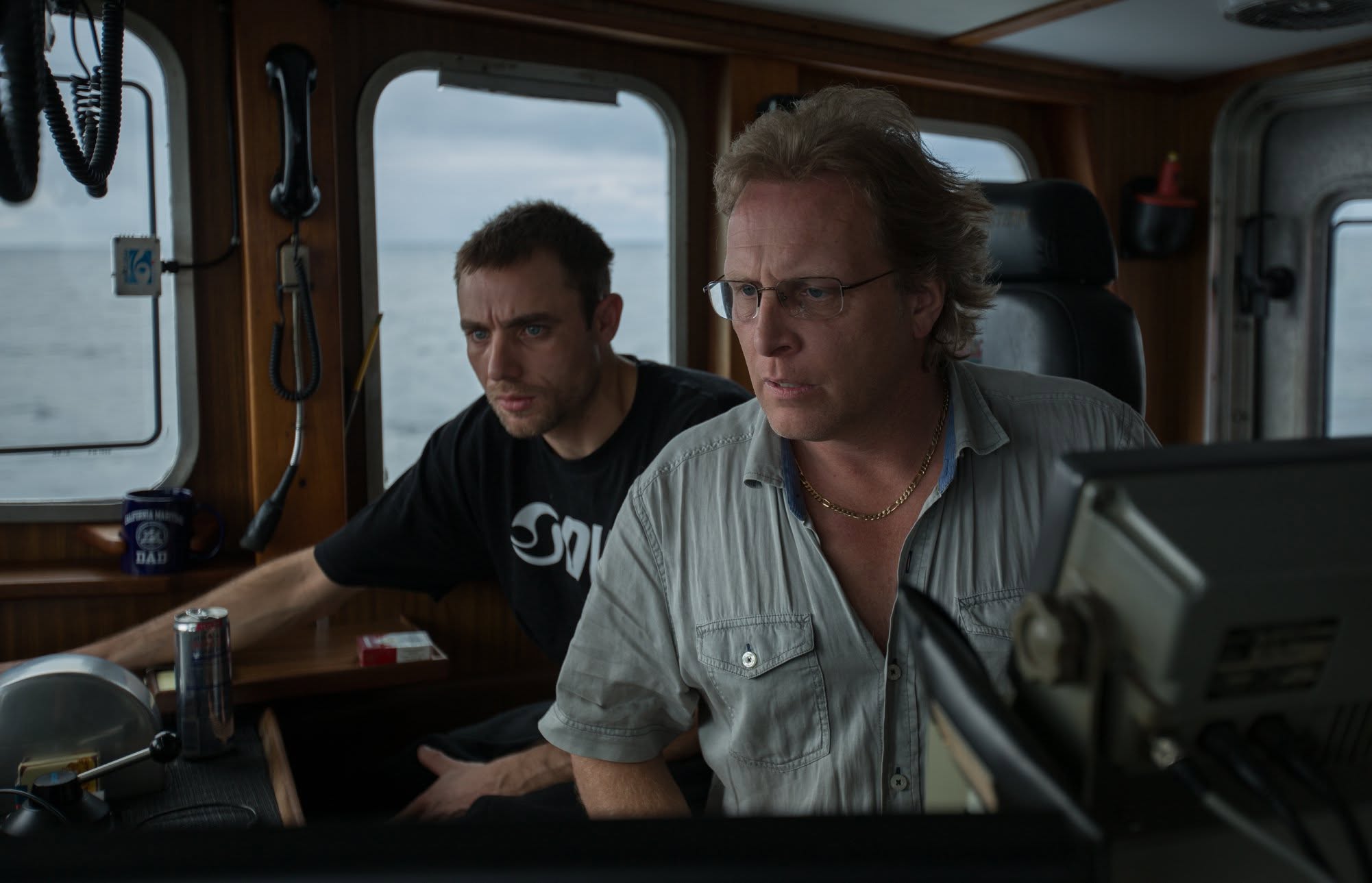
In the unforgiving expanse of the Bering Sea, where 20-foot waves can swallow entire vessels and subzero temperatures turn every breath into a battle for survival, Deadliest Catch has never shied away from the raw edge of human ambition against nature’s fury. As the fleet heads north in Season 22, chasing a rare strain of red king crab that has not been seen in decades, one captain makes a decision that will be remembered as the most groundbreaking in the show’s 20-year history. Captain Sig Hansen, the legendary skipper of the F/V Northwestern, deploys an underwater drone (a remote-operated vehicle, or ROV) into uncharted waters to scout for the ultimate horde before the rest of the fleet arrives.
This isn’t just another high-stakes pick or catch. It’s a masterclass in innovation meeting desperation. The move is described by producers as a “series first,” a covert scouting mission that could either secure a massive payday or cost Sig everything. Fans worldwide are asking the same question: Did luck smile on the Hansen crew, or did this high-tech gamble prove genius? The answer, as revealed in the Season 22 premiere that aired May 8, 2026, on Discovery Channel, is a thrilling mix of both—delivering one of the most emotional, action-packed, and controversial episodes yet.
This article dives deep into the story behind Sig Hansen’s pioneering use of the underwater drone, the full drama of Episode 1 (“Kings of the Frozen North”), the real-world context of the Bering Sea chase, the emotional tributes that made the season so powerful, and what this moment means for the future of crab fishing. With exclusive insights from Sig Hansen himself and behind-the-scenes production details, we uncover why this episode has viewers glued to their screens—and why the drone may have just changed the game forever.
The Setting: A New Frontier for the Bering Sea Fleet
By May 2026, the Bering Sea fleet has been battered by an unprecedented season. Season 21 ended on October 31, 2025, with heartbreaking loss and intense rivalries, but the show refused to fade into the past. Instead, producers threw the captains into one of the most extreme scenarios in show history: a mass relocation 225 miles north to St. George Island, the farthest they’ve ventured in decades.
The target? A rare “genetic monster” of red king crab—twice the size of their usual prey, with thicker shells and brighter shells. These northern kings are worth a fortune: some captains estimate catches worth up to $150,000 per hour, turning the season into a literal “treasure hunt” in frozen hell. But the grounds are brutal. Shallow waters, towering waves, and subzero temperatures make the trip deadly. As one captain warns in the episode, “There is no forgiveness in these waters.”
This relocation forces every boat—the Northwestern, the Time Bandit, the Wizard, and the Aleutian Lady—into uncharted territory. For veteran Sig Hansen, it’s personal. The Northwestern has always been the fleet’s anchor, but even he admits the danger has grown with his age. In interviews, Sig reflects, “The farther north you go, the farther away from land and safety… Sometimes you get out there so far it’s too far for the Coast Guard to even come and get you.” Mechanical failures? You’re on your own.
Into this chaos steps the episode’s emotional core: the tribute to late deckhand Todd Meadows. Meadows, 25, fell overboard from the Aleutian Lady during filming in February 2026. Discovery Channel honored him with footage shot before the tragedy—deep, heartfelt moments where the young deckhand shares his dream of fishing in Alaska. “It’s been one of my dreams… I just want my kids to work toward their dreams and goals and don’t let anything slow you down,” he says, eyes full of hope. The entire crew—especially Rick Shelford and Sophia “Bob” Nielsen—grieves openly, turning a tech-driven episode into a deeply human one.
The Mission: Sig Hansen Deploys the Underwater Drone
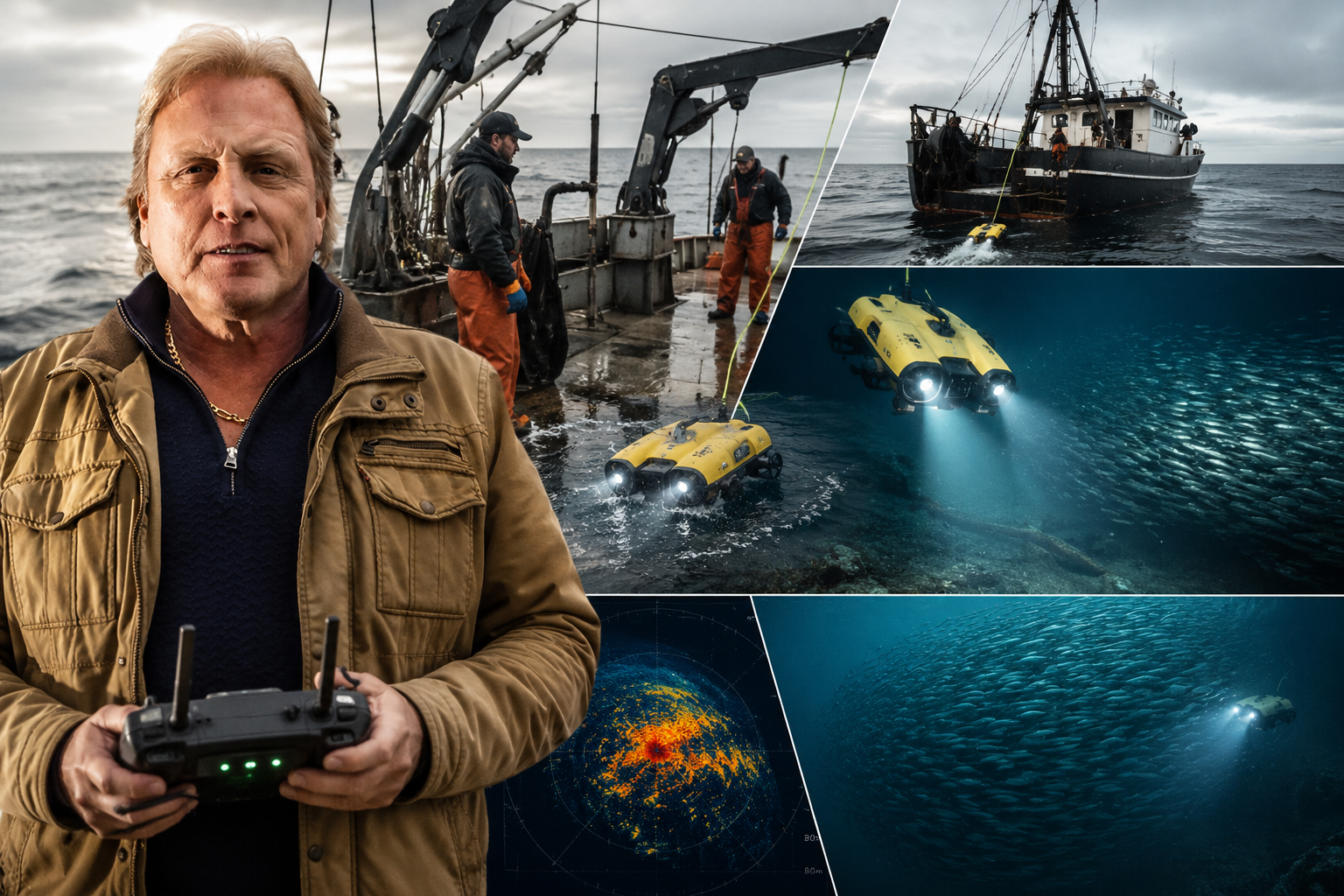
At the heart of the premiere is Captain Sig Hansen’s unprecedented gamble. In a first for the series, Sig launches a covert scouting mission using a high-tech underwater drone—specifically a remote-operated vehicle (ROV) equipped with an underwater camera—to locate the premium northern red king crab before anyone else arrives.
The ROV doesn’t just swim; it provides a “bird’s-eye view” of the ocean floor, revealing details sonar and radar can’t match. Sig enlists Captain “Wild” Bill Wichrowski (of the Summer Bay) to guide him. Bill, a veteran of decades of Bering Sea fishing, shares his hard-earned knowledge from St. George Island. Together, they send the drone ahead of the pots, hoping to pinpoint the elusive horde in waters colder and more remote than anything Sig has faced.
Sig himself describes the experience in the episode and later interviews: “That was a blast.” He continues, “Crab fishing is always going to be barbaric, but we kind of used today’s technology and got that ROV, so there was an underwater camera. We got to really take a firsthand look at what’s going on on the bottom—so to speak. But you still gotta go out there and do it. I don’t think AI is gonna be fishing crab anytime soon.”
The gamble is high. The drone could fail, the crabs could be hidden deeper than expected, or rival captains could snatch the prize. And the stakes couldn’t be higher: a successful find could mean millions in quota and earnings for the Northwestern crew, while failure could leave them scrambling.
The Crew’s Reactions: Rivals Join Forces, and Tension Explodes
As the Northwestern deploys the drone, the rest of the fleet reacts with shock and suspicion. Johnathan Hillstrand of the Time Bandit and Keith Colburn of the Wizard are left in the dust. They soon team up, deciding to “cork the s**t out of that” (block the area) and steal any crab that emerges. A smokescreen from the Time Bandit blinds Sig, tangling his lines and forcing him to turn away. Radio silence turns to open taunts: “Now you’re talking to me?”
But the real twist comes when the three boats finally converge. Johnathan and Keith realize the Northwestern’s drone data is legitimate. They drop their rivalry: “We’re working together more than we would have in the past,” Sig tells PEOPLE magazine. “I think now that everybody’s getting older, there is mutual respect. Everybody’s kind of been there, done that. We don’t have anything to prove anymore.”
The episode ends with the crew finding the edge of the school of crabs—thanks to the drone’s precision—and a massive pot haul that validates Sig’s risky move. The Northwestern pulls in impressive catches, and the cooperation saves the day. Sig’s quote sums it up: “It’s all good. When you do come together and you can find crab like this, it’s the big picture that matters.”
The Bigger Picture: Innovation, Risk, and the Heart of Deadliest Catch
Sig Hansen’s drone deployment isn’t just tech porn. It’s a philosophical statement about the Bering Sea. The show has always celebrated old-school fishermen who rely on gut feel and experience. But in 2026, with the fleet facing climate shifts and shrinking grounds, Sig is proving that blending tradition with new tools can save lives and livelihoods.
This moment echoes broader industry debates. Traditional crab fishermen worry that drones could lead to overexploitation or illegal activity. Yet the episode shows it can also foster cooperation—exactly what the fleet needed in those freezing waters. Producers at Discovery highlight it as a “bold attempt to locate the rare strain… before the rest of the fleet arrives.”
For Sig, the decision reflects his evolution. At 60, after years of heart attacks and near-misses, he admits he’s growing more fearful: “I definitely get more fearful as I get older. You don’t want to put yourself in harm’s way as much.” But the ego remains. “I don’t see myself retiring anytime soon… I don’t want anybody knocking me off my throne just yet.”
The episode also spotlights Jake Anderson’s redemption arc. After losing his boat and marriage, Jake starts as a deckhand—emotional scenes that humanize the high-pressure world. When an opportunity arises to reclaim the legendary Cornelia Marie, he seizes it, putting family and reputation on the line.
Fan Reactions and Why This Episode Resonates in 2026
Social media lit up after the premiere. On Reddit’s r/deadliestcatch, fans called it “the most groundbreaking episode ever” and “the one that made me believe in tech saving the fleet.” X (Twitter) trended with #DeadliestCatchS22E1, where users debated the ethics of drone fishing alongside the thrill.
Some critics argue the drone reduces the show’s “real danger” factor, but most praise the innovation. One viewer wrote: “Sig’s ROV moment was the highlight—finally, the show feels fresh while staying true to its roots.” Another noted the emotional Todd Meadows tribute: “They handled his passing with the most respect. Season 22 feels personal.”
The production values are top-notch. The History Channel team (now Discovery) captures the tension of negotiation, the joy of a good catch, and the quiet awe when the drone reveals the crabs on the screen. The episode runs 42 minutes, but it feels longer because every moment builds to the cooperation payoff.
What This Means for the Fleet—and the Future of Crab Fishing
As of July 2026, the full Season 22 has aired, with Episode 1 still the fan favorite. The drone success sets up future strategy: more scouting missions, potentially even AI assistance (though Sig notes it’s not ready). For the Northwestern, it means a shot at massive earnings in a shrinking industry.
But the real legacy is the human one. In a world of constant change, Deadliest Catch reminds us that technology is only as good as the people using it. Sig Hansen’s gamble wasn’t blind luck—it was calculated courage. The crabs didn’t just smile on the crew; the crew smiled back by choosing cooperation over competition.
As the fleet heads into the rest of the season—dealing with storms, legal issues, and mechanical breakdowns—Sig’s drone moment stands as the season’s emotional and strategic high point. It proves that even in the frozen north, where nature doesn’t forgive mistakes, a sharp captain with the right tools (and the right crew) can turn the tide.